

 Demo
Demo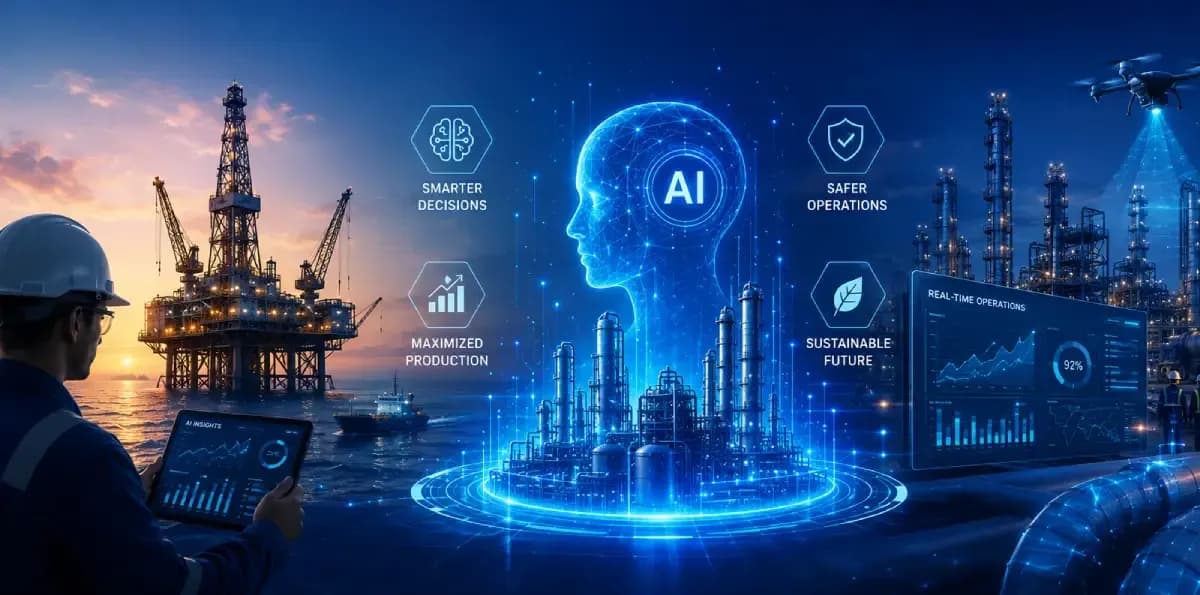
MangoBytes AI: Ahead of the Industry Shift
As AI adoption scales across enterprise workflows, the challenge is shifting from building models to enabling seamless access to the right capabilities while ensuring complete, end-to-end execution. Increasingly, the complexity lies in navigating fragmented tools and translating intent into structured outcomes.
MangoBytes AI is strategically aligned with this shift from isolated AI capabilities to integrated, agent-driven orchestration, reflecting both the broader direction of enterprise AI and the practical evolution of Pixie.
Pixie is now enhanced to streamline workflow orchestration by serving as a unified entry point into the agent ecosystem. It enables users to define objectives in simple terms, after which Pixie identifies and routes task to the most relevant agents or creates new one if needed, ensuring complete and aligned execution without navigation multiple systems.
Advanced Agentic Workflow Ecosystem
_(1).png)

What makes this evolution particularly significant is—it closely mirrors a broader shift already underway across industries. This shift becomes even more evident when viewed in the context of broader industry devolopments.
Scaling AI in Oil and Gas Operation
The Oilfield Services and Equipment (OFSE) industry is reaching a critical inflection point in its AI journey. While early efforts focused on isolated use cases and incremental gains, the conversation is now shifting toward end-to-end workflow transformation powered by AI.
Recent McKinsey research (Gen AI adoption in the OFSE industry | McKinsey) estimates that scaling generative AI across OFSE operations could unlock $12–20 billion in annual EBITDA value, with nearly 80% of this impact driven by improved operational efficiency ranging from maintenance optimization and streamlined field execution to enhanced asset utilization. At the same time, AI is becoming a competitive lever for delivering more personalized services and improving customer experience.
.png)
However, another important report from McKinsey highlights why many organizations are not yet realizing this value — Most AI initiatives today optimize only a single step within a broader process, rather than transforming the entire workflow.
In contrast, leading organizations are rethinking workflows holistically, using agentic orchestration layers that connect AI agents, enterprise systems, and data across functions.
For Oil and Gas operators, this distinction is critical. The industry’s biggest challenges fragmented data environments, complex field operations, and tightly coupled, mission-critical workflows mean that point AI solutions rarely scale or deliver sustained impact.
This is exactly where the recent enhancements in Pixie strongly align with the larger direction. By orchestrating multiple specialized AI agents across workflows, companies can move from:
- Fragmented automation → Coordinated intelligence systems with LLM layer
- Task-level optimization → End-to-end performance gains
Pixie’s smart agent routing and orchestration capabilities directly operationalize this shift, enabling organizations to move beyond ‘single step’ use cases and toward connected, outcome-driven workflows. The path from AI intent to impact in the Oil & Gas industry is becoming clearer:
- Unify data, Redesign workflows, not just individual tasks
- Embed agents that collaborate across functions (in daily decision-making loops)
To know more about MangoBytes AI’s Pixie, reach out to us - pixie@mangobytes.ai
Inside the IAMCP SoCal Webinar: AI Transforming Upstream Energy Operations
At the recent IAMCP SoCal (Southern California) webinar - “AI in Upstream Energy: Automating Operations with AI Agents,” Gary Peterson from MangoBytes AI, broke down how the "Frontier Firm" model is being actualized in the trenches of upstream operations.
While the expectation was broad conversations around AI adoption, the dialogue quickly evolved into a more focused discussion on how upstream organizations are moving beyond copilots towards AI agents capable of operating autonomously across workflows. Immediate, quantitative value is being realized across critical roles from compliance and land management to trading and production forecasting.
The webinar highlighted real-world solutions, such as an engineering agent that condenses a 50-hour workover analysis into just 20 minutes, and a regulatory agent that slashes compliance form-filling time by 90%.
The discussion underscored a massive structural shift in how industrial organizations are approaching technology:
- Operational Leverage
- Human-AI Symbiosis
- Complex, data-rich environments
Watch the full recording here - AI in Upstream Energy: Automating Operations with AI Agents | Webinar Replay